


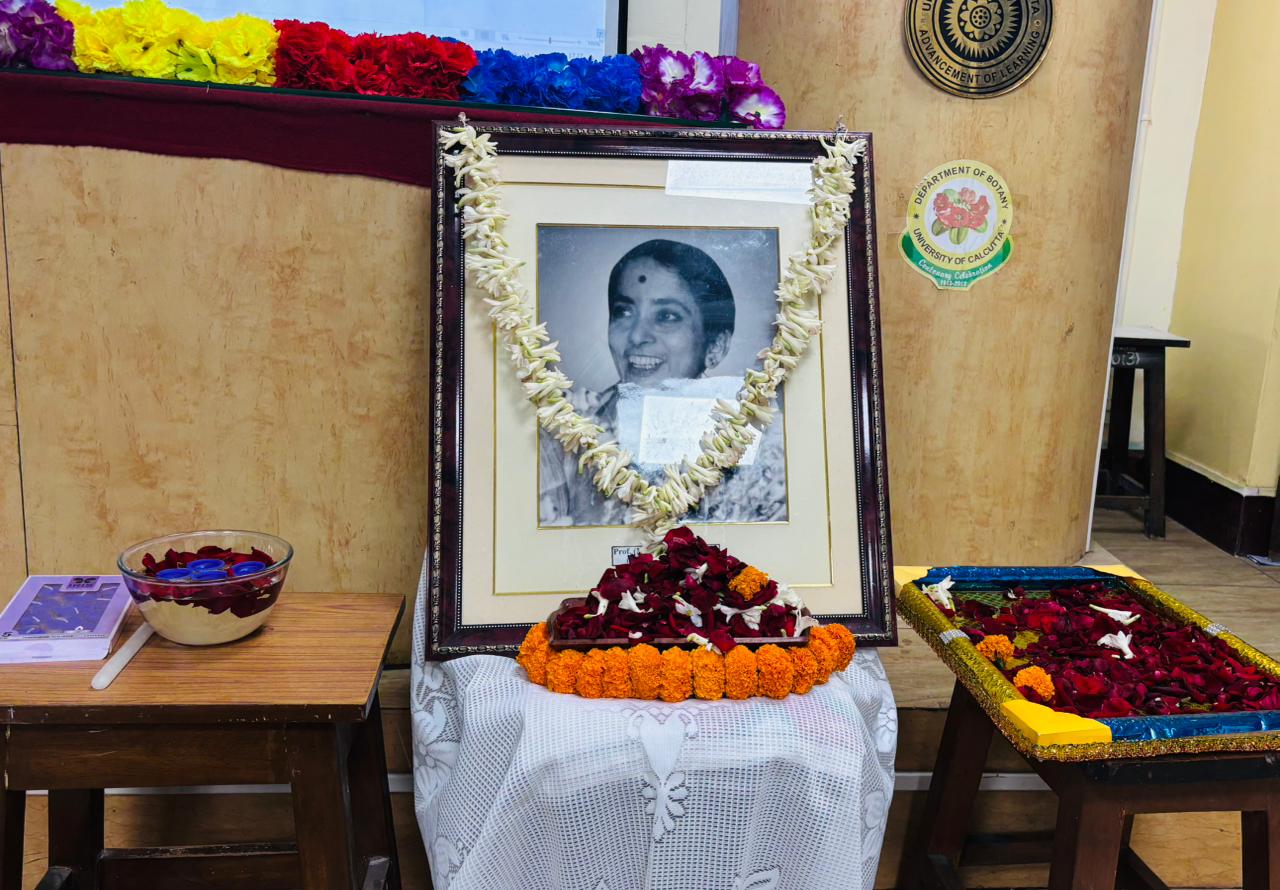
Lighting of the Lamp and offering of flowers to our beloved Didi ( Professor Mrs. Archana Sharma) on her Birthday, the 16th February, 2026.
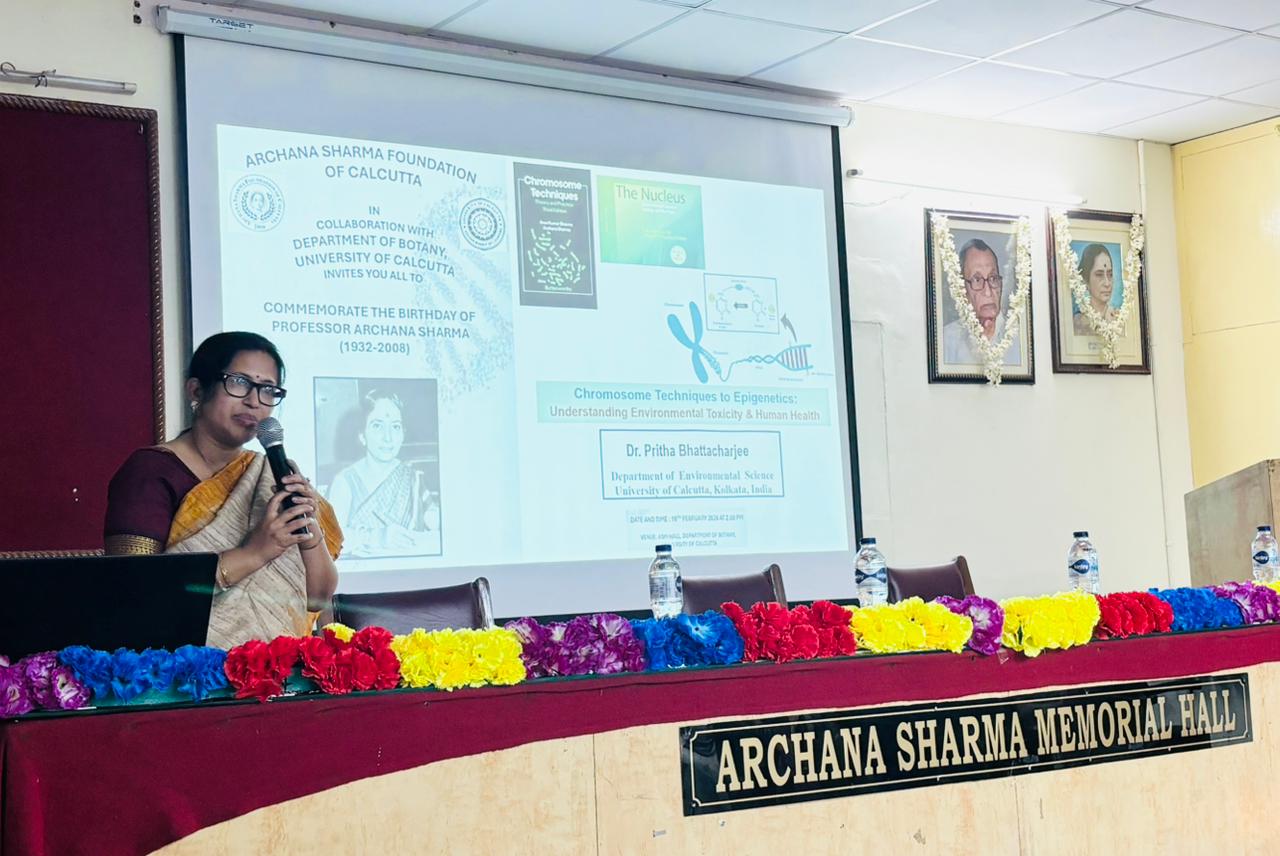
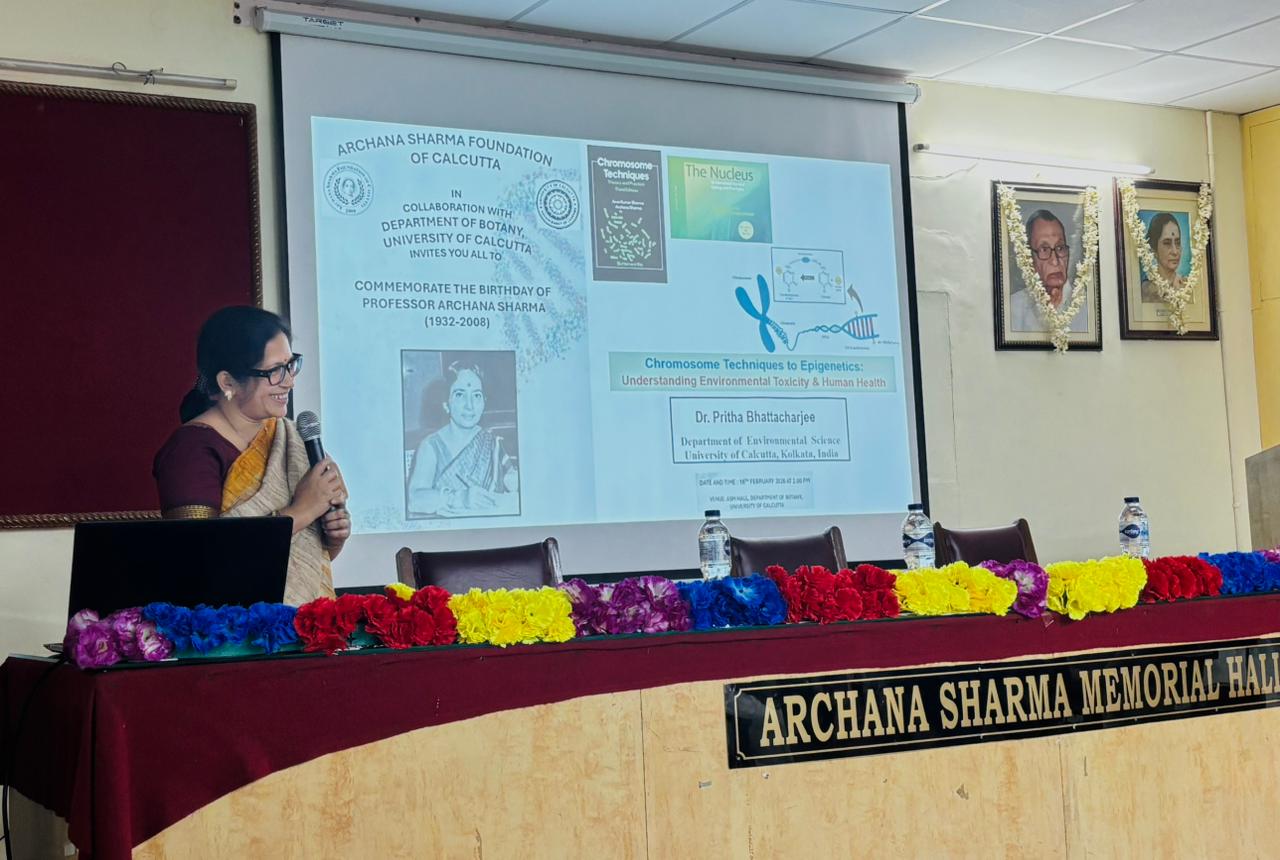
Invited lecture delivered by Dr Pritha Bhattacharjee on this occasion.
Chromosome Techniques to Epigenetics: Understanding Environmental Toxicity & Human Health
Pritha Bhattacharjee
Department of Environmental Science, University of Calcutta
Cytogenetics, the study of chromosomes, both structure and number, is extremely popular and widely accepted technique to understand chromosomal disorders and their relationship to health. While these changes provide valuable clue for genetic disorders, provide significant insight for biomonitoring of population. With advancement in technology, classical cytogenetics evolves into a multidimensional science including flow cytometry, bioinformatics, and molecular epidemiology.
To study the effect of arsenic-exposure in population at cellular level, we have widely used chromosomal aberrations and micronuclei techniques from blood and other biological tissues (buccal and urine) of the exposed population. Later, we have correlated the observed cytogenetic changes with the genetic variants of targeted genes. Chromosomal breakage helped us to explore the DNA damage and repair mechanism, metabolism and other important biological processes in arsenic challenge. This has been observed that not only DNA damage, an array of DNA repair enzymes’ function significantly lowered that resulted in persistence DNA damage.
Despite of exposure at similar extent through common environment (contaminated water and food), individuals do not show similar phenotypic expression (characteristic skin lesions of arsenicosis viz- raindrop, palmar and plantar hyperkeratosis, skin cancer). We studied genetic variability, identified differential gene expression through microarray and transcriptomics analysis. Further, we studied aberrantly reprogrammed epigenetic modifications (promoter methylation, histone modification, miRNA alterations) and regulations thereof. For last ten years, our studies in population epigenetics identified new and potential insights regarding epitherapeutic drugs. The dynamic reversibility of epigenetic mechanism is extremely interesting and Epitherapeutic drugs have the potential to reverse the arsenic-induced damages by epigenetic re-programming, as observed in our studies. However, it is most important to translate the lab data to a chip for early detection of the susceptible population and provide epitherapeutic drug as a precise medicine. The global epidemic of arsenic problem needs special attention from Government and policymakers for a sustainable solution.
I sincerely thank my PhD mentor Dr. Ashok Giri and my PhD scholars for Arsenic research.
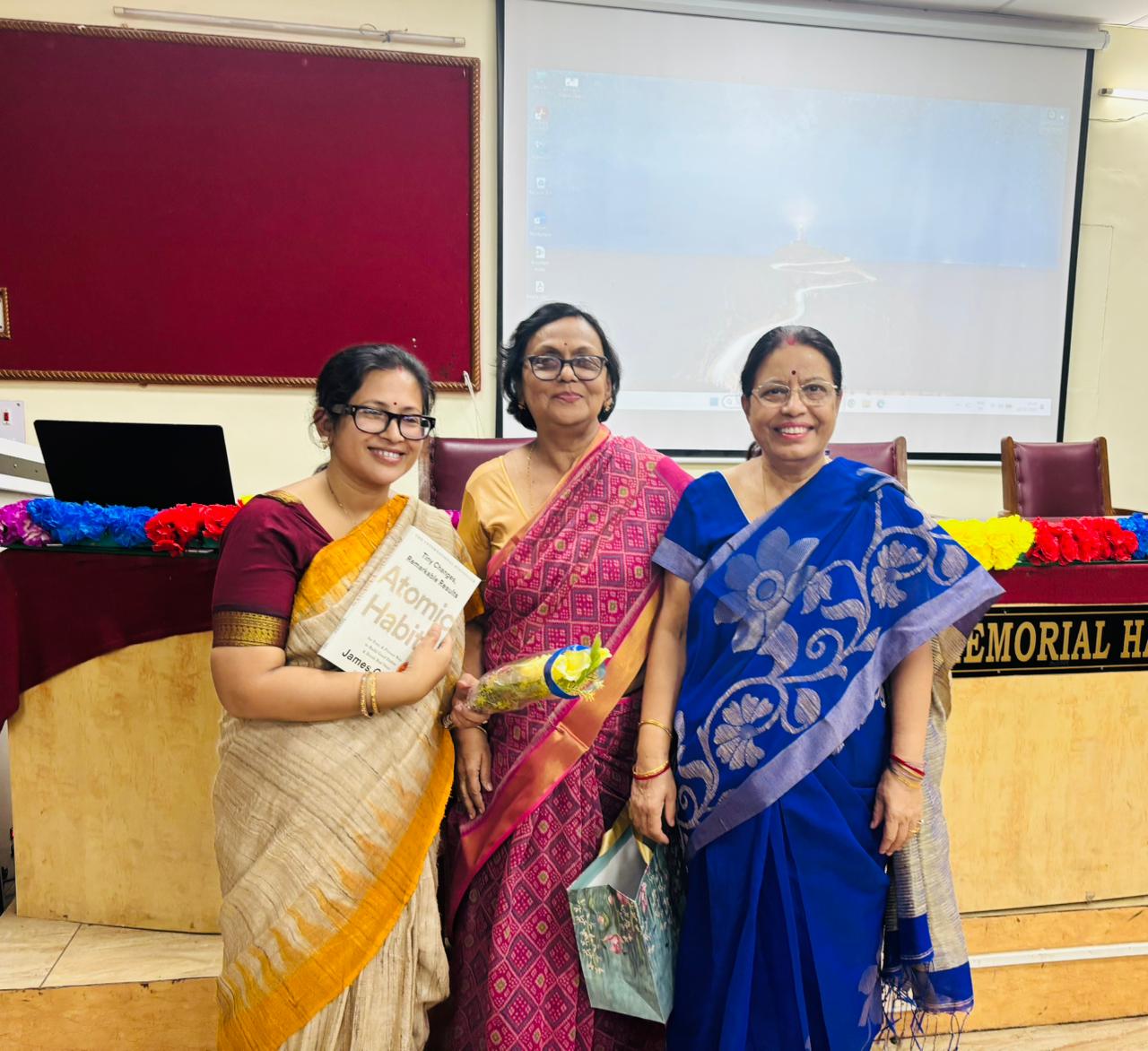
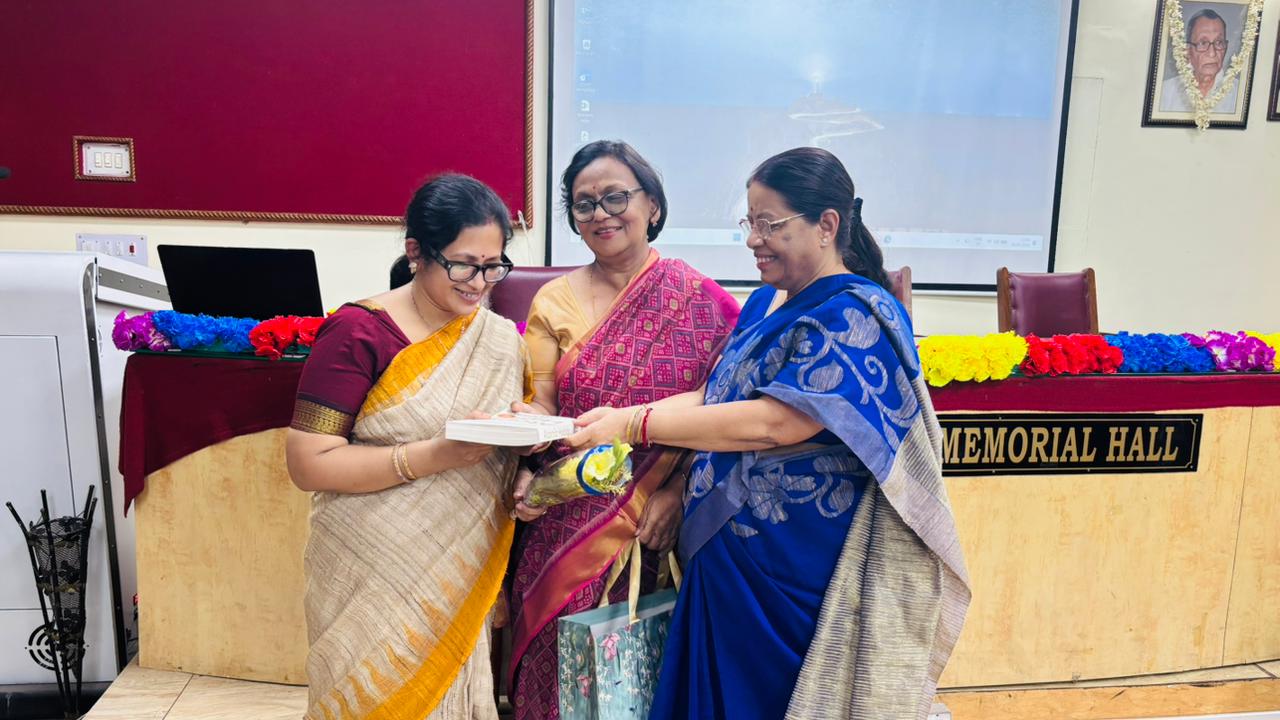
Conveying Thanks and Appreciation to the Speaker for her very interesting and educative lecture
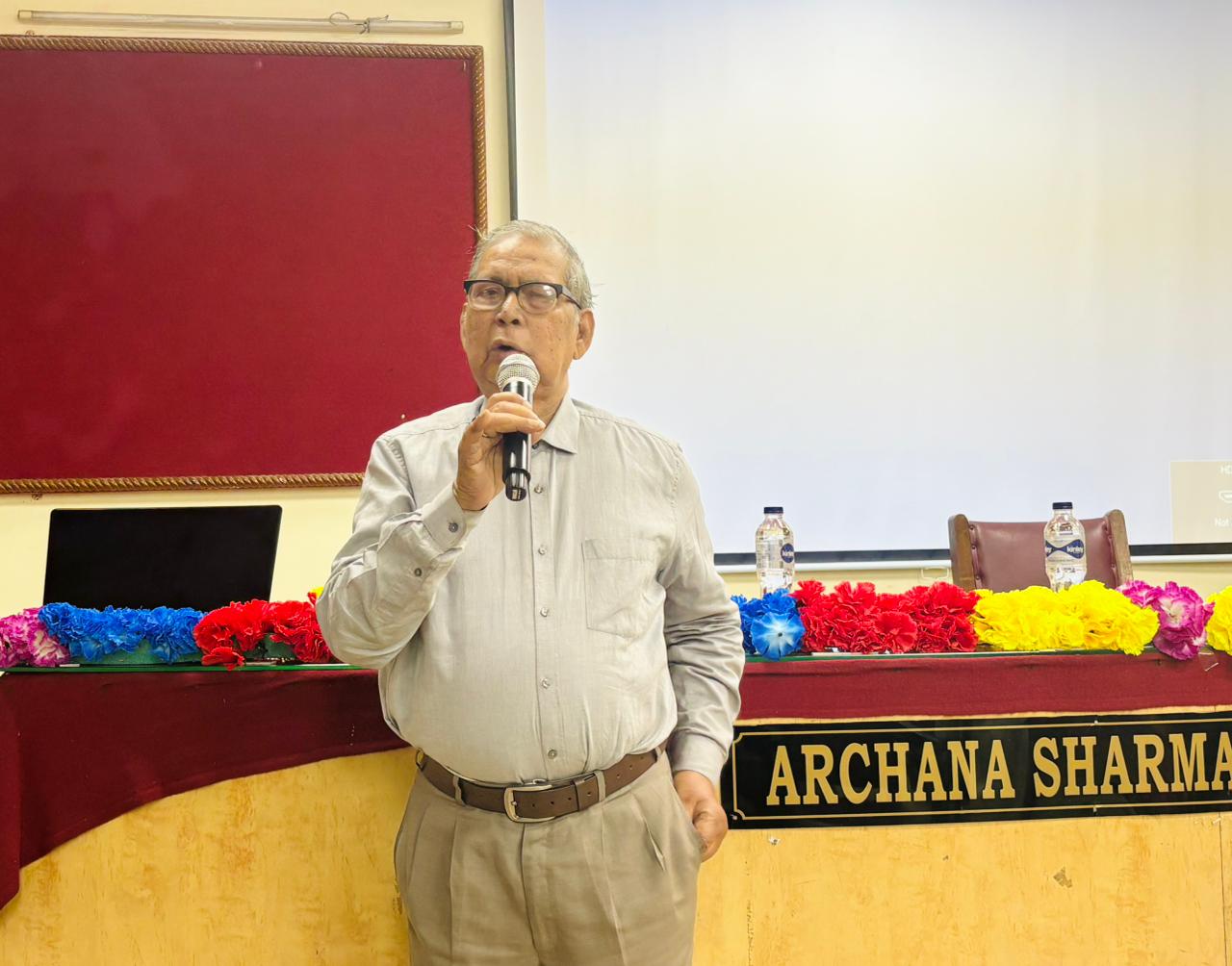
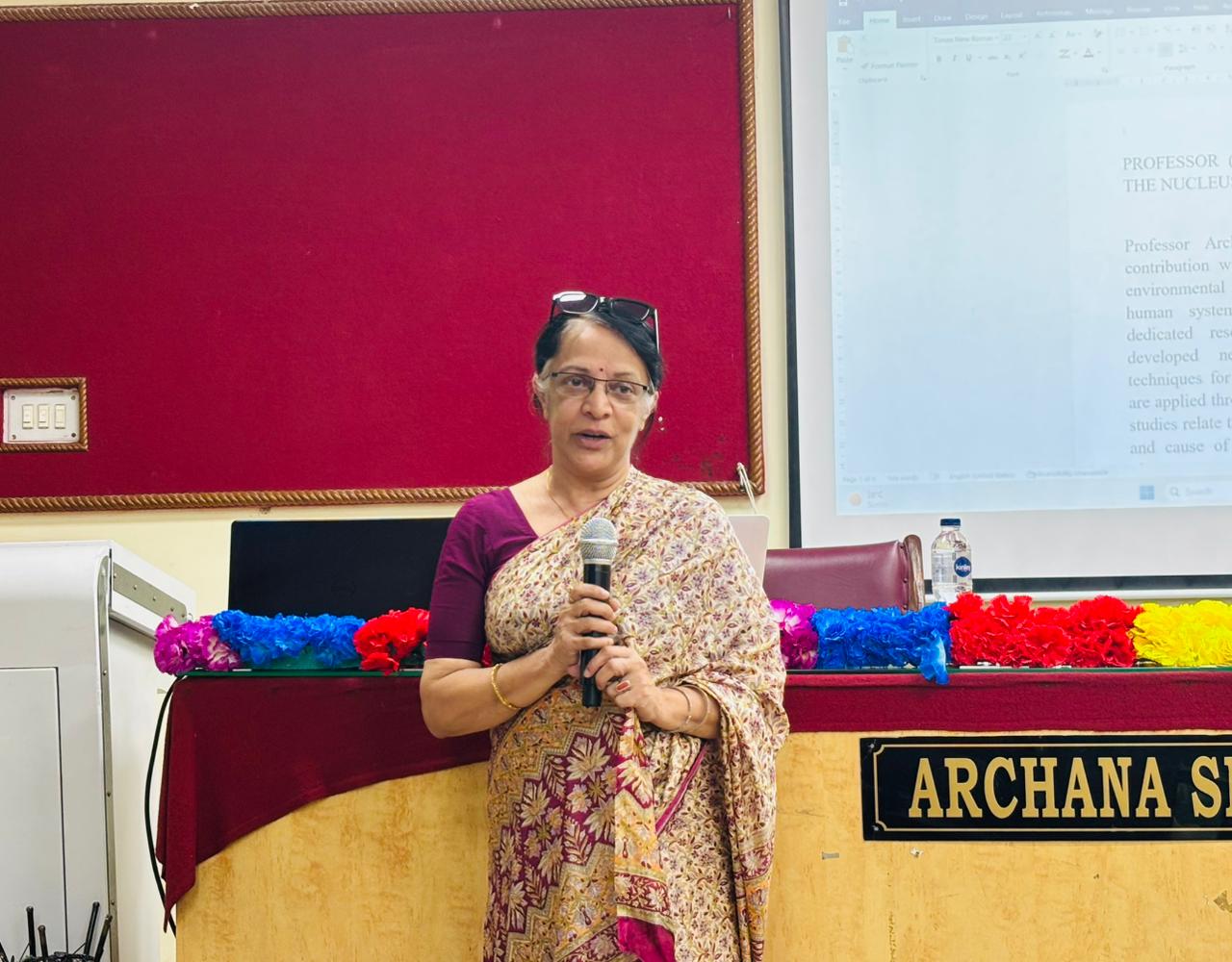
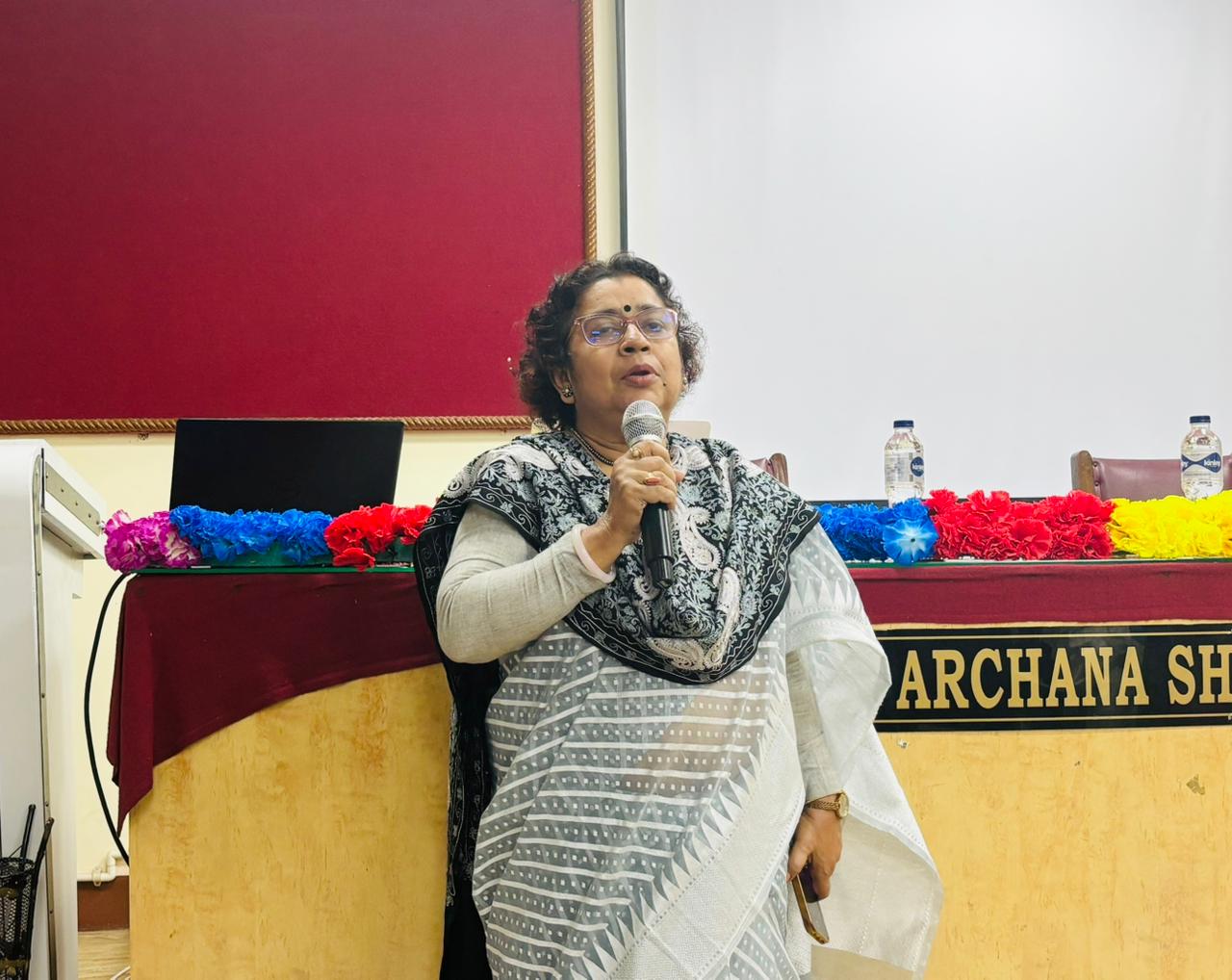
Reminiscing Didi with love and respect by her students of different decades.
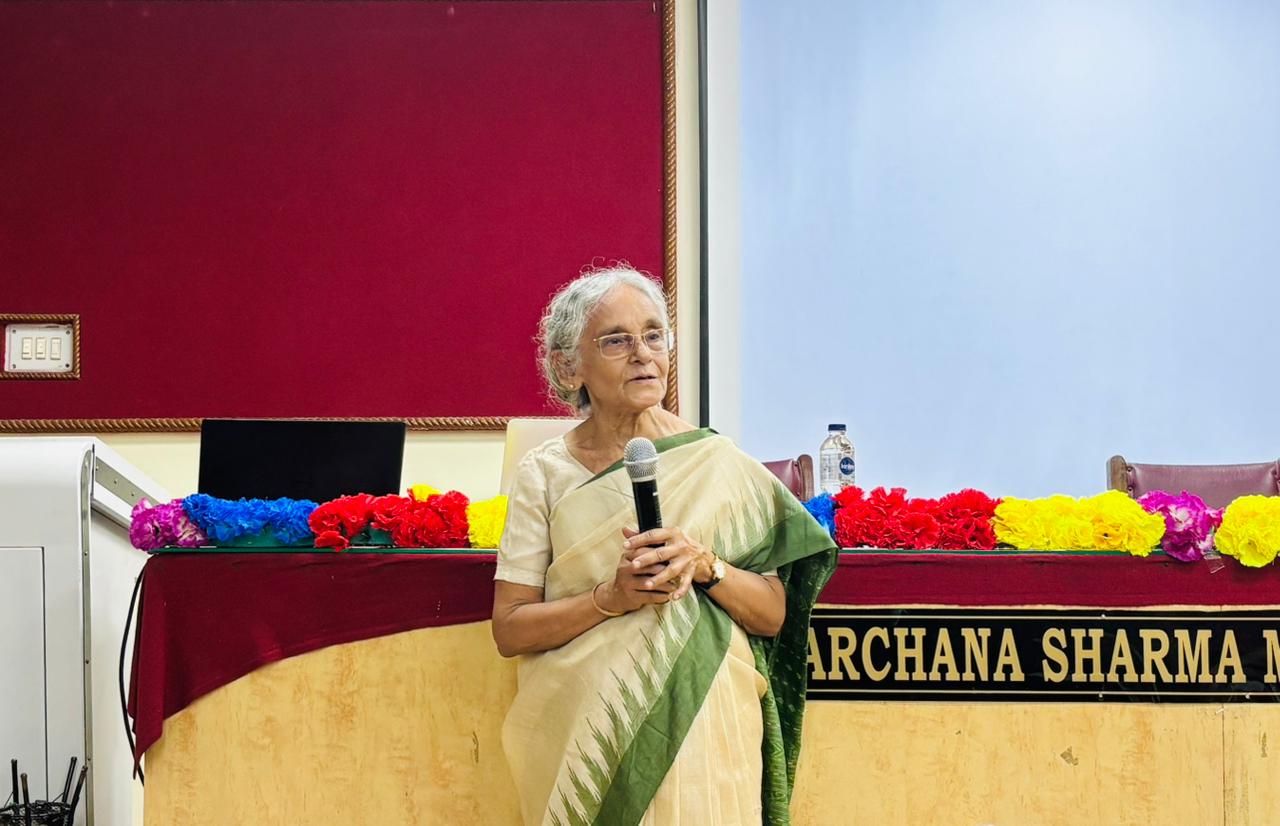
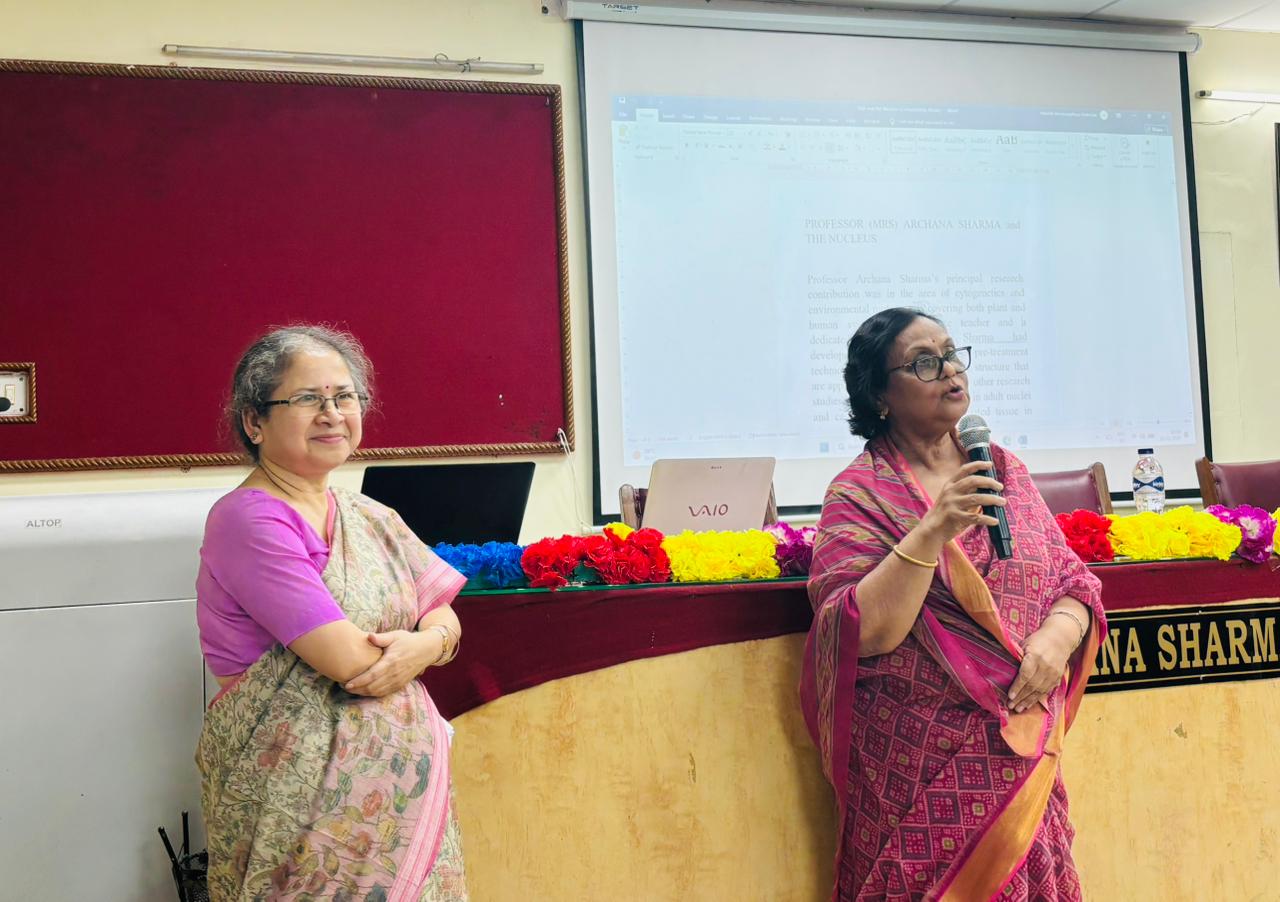
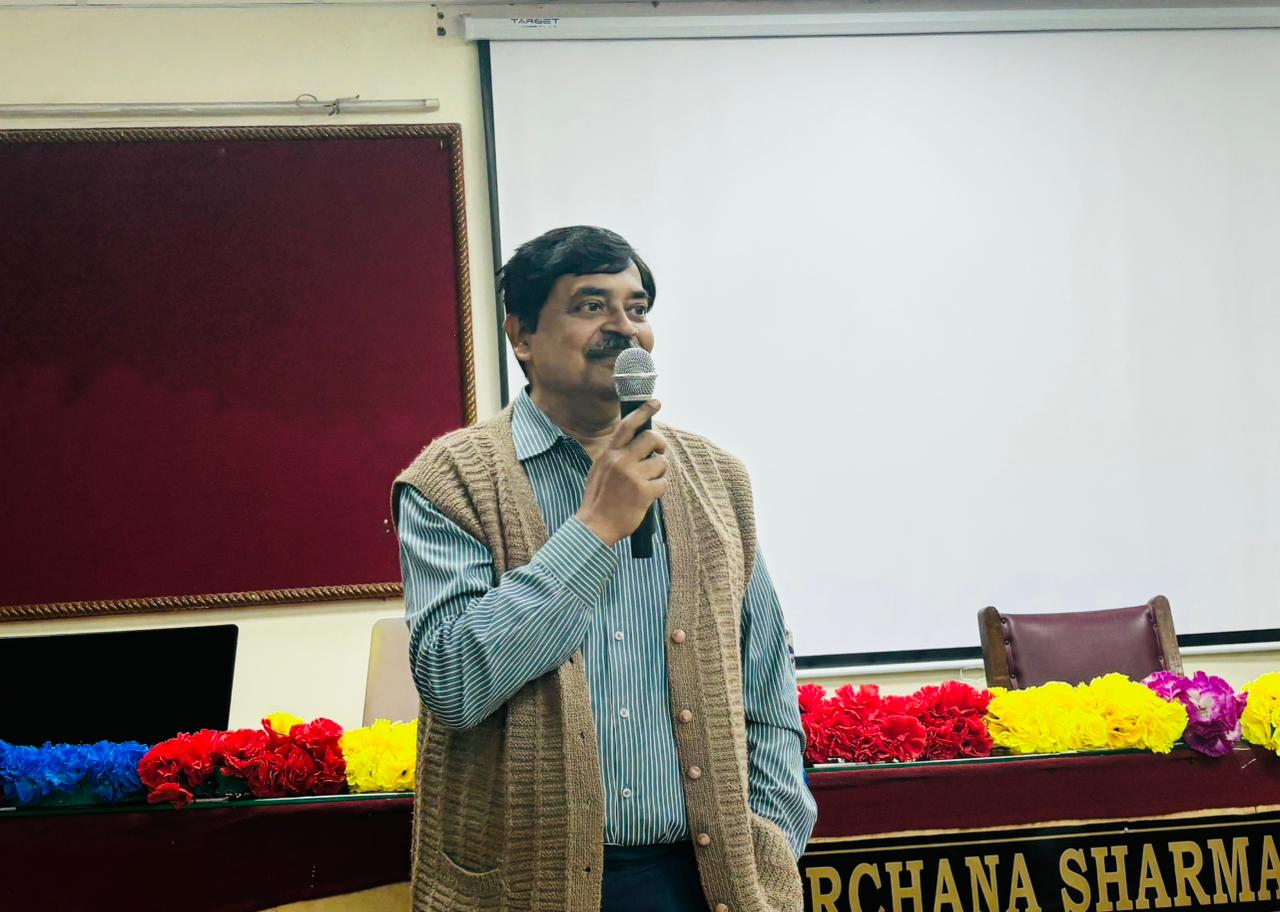
Reminiscing Didi with love and respect by her students of different decades.
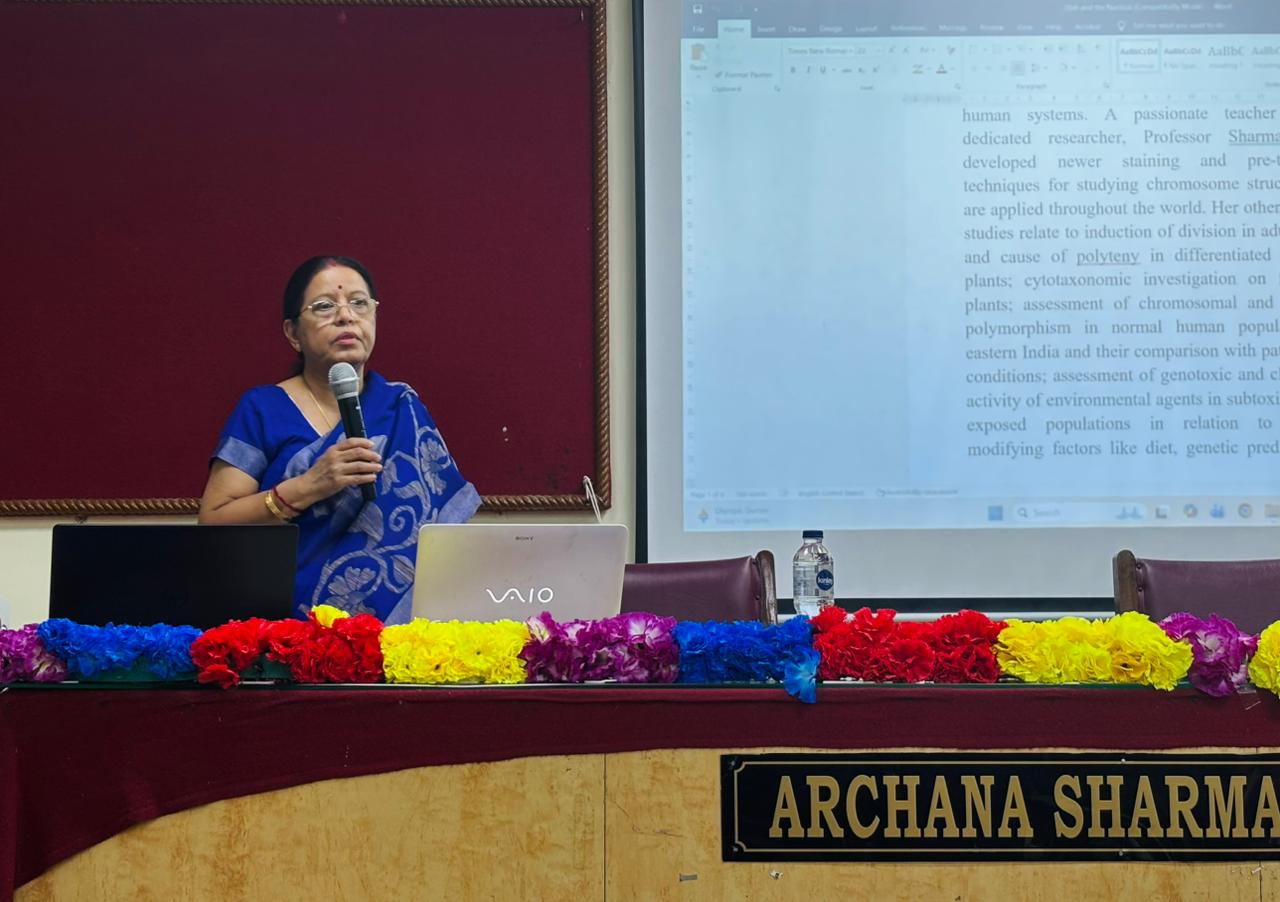
Reminiscing Didi with love and respect by her students of different decades.
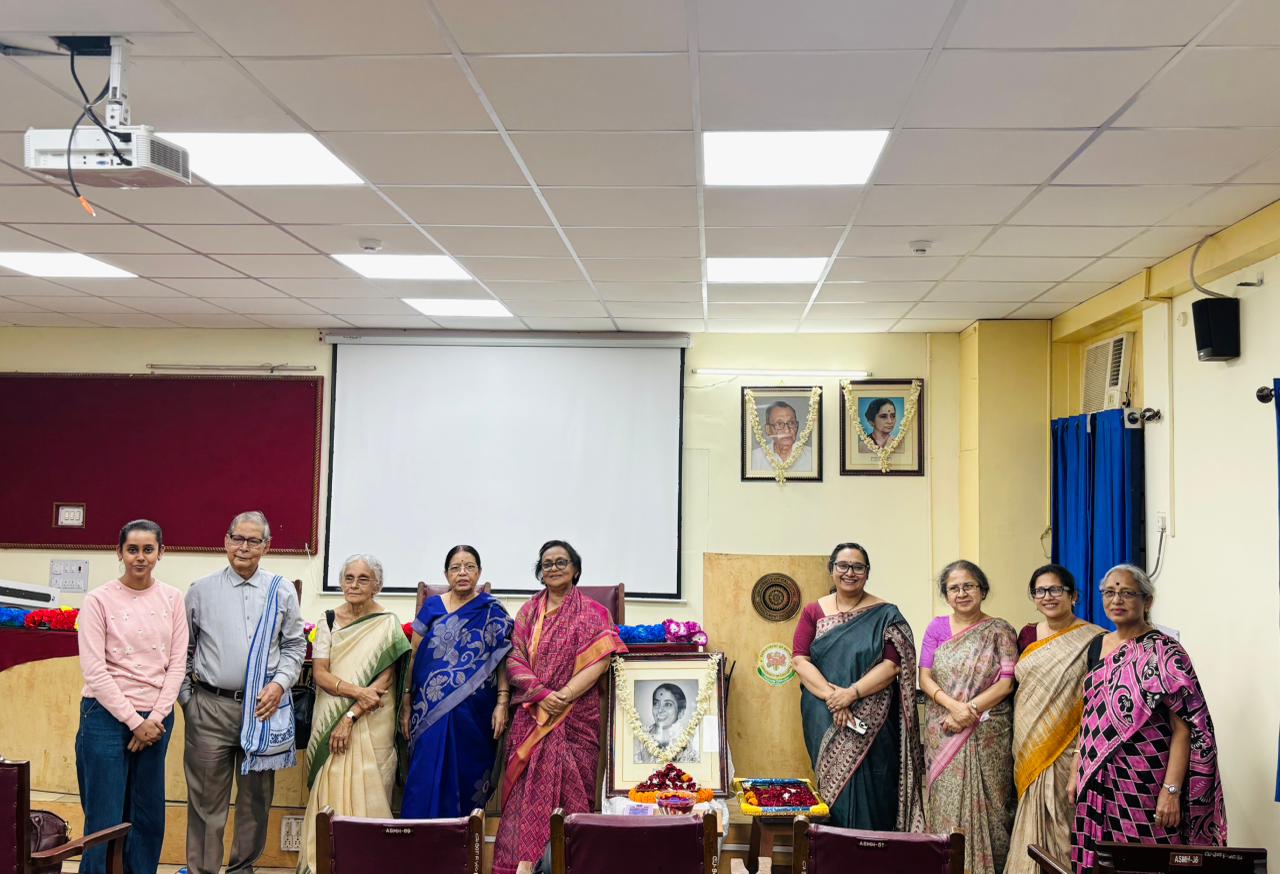
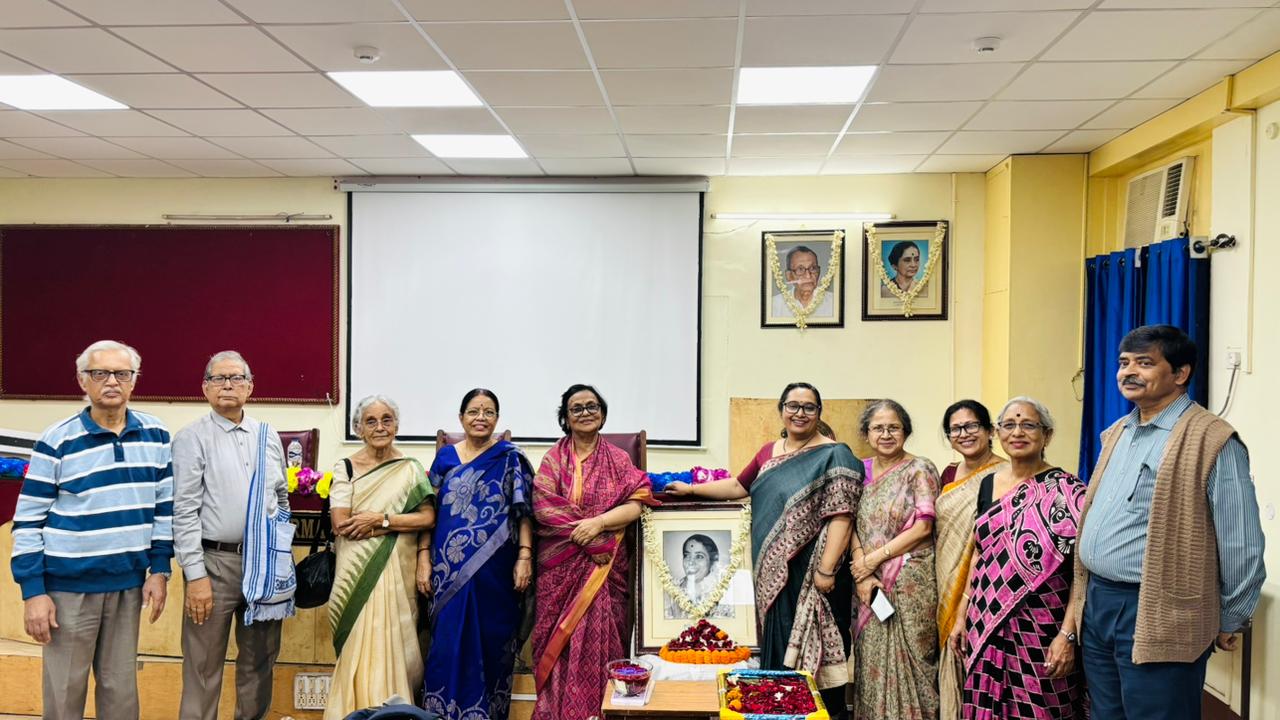
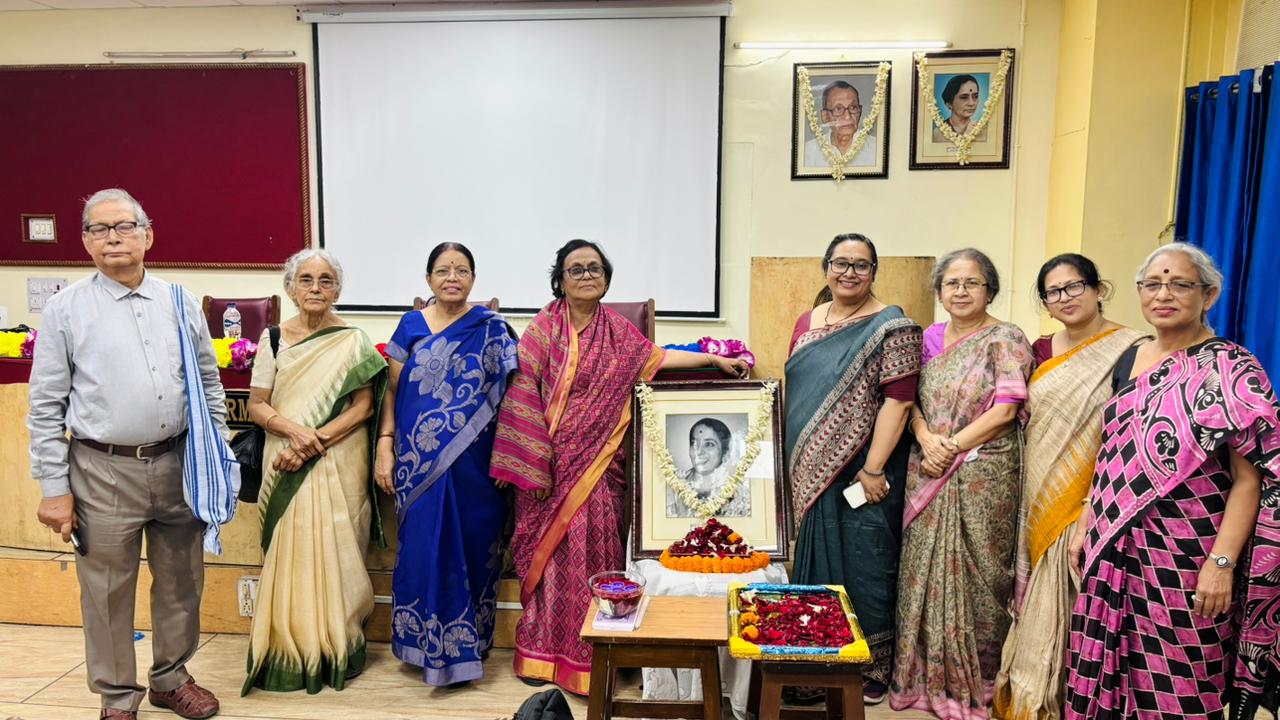
Group photos on this occasion.
Email -
asfcwebsite@gmail.com
gajrabani@gmail.com
Address -
'Dept of Botany' CU,
35, Ballygunge Circular Road,
Kolkata 700019


